
Courier vs Freight Services: How to Choose the Right Option
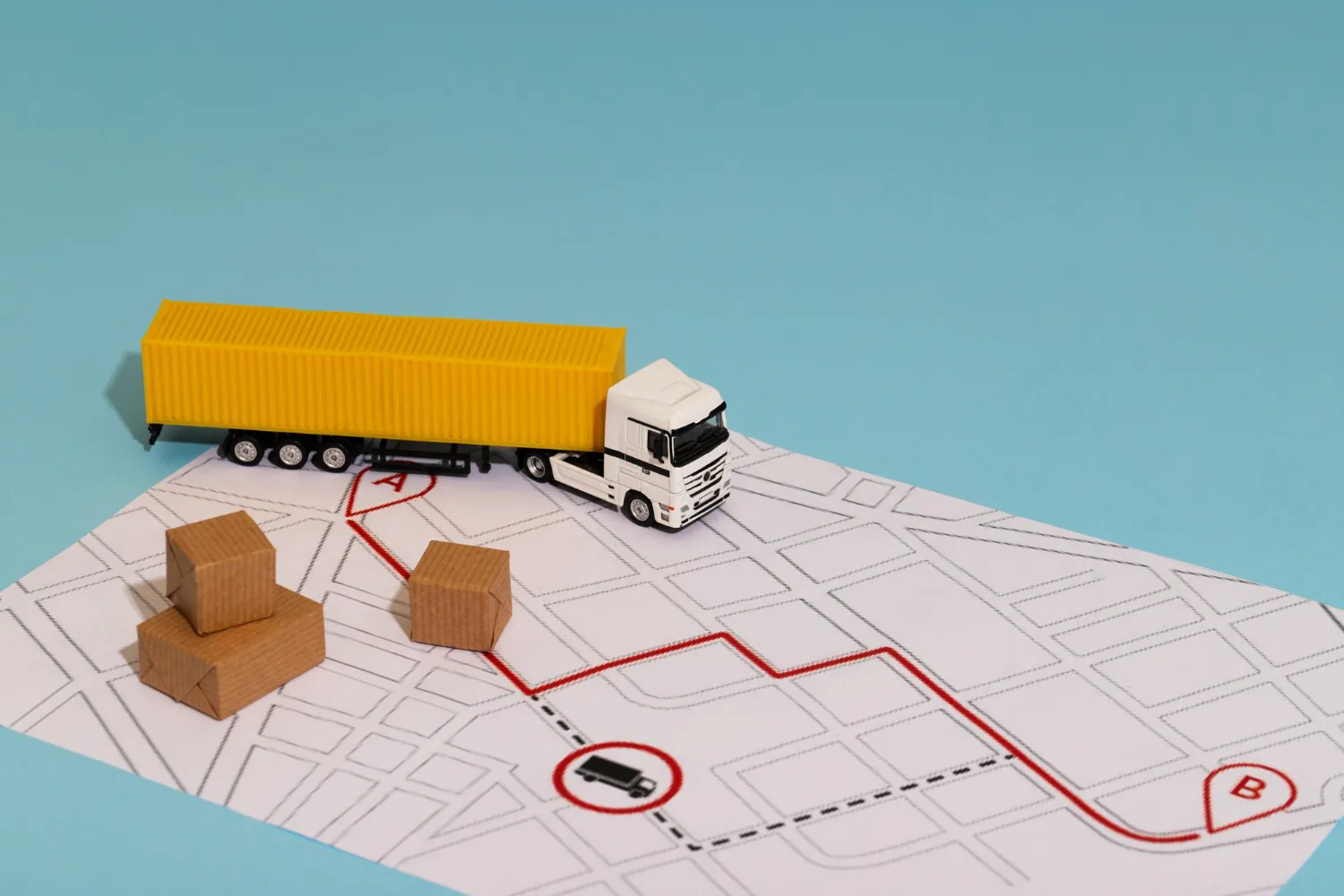
When sending a parcel, delivering business stock or transporting bulky equipment, choosing the right shipping method can make a real difference to your budget, delivery schedule and overall logistics. Should you use a courier or arrange freight shipping? The answer depends on what you are sending, how much space it occupies, where it needs to go and how quickly it must arrive.
Understanding courier vs freight services helps you make informed decisions for personal deliveries and business shipments. From small parcels that need prompt delivery to pallets and large consignments travelling across Australia, each option serves a different purpose. Here is how to compare them and select a service that suits your needs.
Courier vs Freight: Understanding the Difference
Although courier and freight services both move goods from one location to another, they are generally designed for different shipment requirements. The right service becomes easier to identify when you compare the main factors affecting your shipment.
| Factor | Courier services | Freight services |
|---|---|---|
| Common users | Individuals, online sellers and businesses | Manufacturers, wholesalers, retailers and other businesses |
| Delivery needs | Often suited to individual or urgent deliveries | Often suited to planned or bulk transport |
| Pricing considerations | Parcel weight, dimensions, route and speed | Weight, volume, distance, handling and transport method |
| Typical shipments | Parcels, documents and cartons | Pallets, bulky goods and larger consignments |
| Transport options | Road and air, depending on the provider | Road, rail, air or sea, depending on the service |
| Booking requirements | Usually straightforward for standard parcels | May require more detailed cargo information |
These are general differences rather than strict rules. Some courier networks accept larger shipments, while freight providers can also handle smaller consignments. Check each provider’s limits and available services before making a decision.
However, the difference between couriers and freight is not simply about the above difference. When comparing shipping options, it is also important to understand the distinction between a courier and a freight forwarder.
Courier vs Freight Forwarder: What Sets Them Apart?
A courier primarily focuses on collecting and delivering shipments. A freight forwarder, on the other hand, organises the movement of goods through transport networks and coordinates the logistics involved. Depending on the shipment, this may include arranging carriers, coordinating international transport, and managing relevant shipping documentation.
A freight forwarder can be particularly useful when goods need to travel internationally or pass through several stages of transport. A courier may be more straightforward when you need to send a parcel from one address to another.
Consider these differences when making your choice:
- Main purpose: Couriers focus on parcel collection and delivery, while freight forwarders coordinate wider shipping arrangements.
- Shipment type: Couriers commonly handle parcels and packages; freight forwarding often supports larger or more complex consignments.
- Logistics: Freight forwarding may involve multiple carriers, modes of transport, and documentation.
- Best fit: Choose according to the shipment’s size, destination, complexity, and delivery requirements.
The terms can overlap in practice, as some logistics providers offer courier, freight and forwarding services. Always check what is included in the service before booking.
What Is Freight Shipping? When Is It Useful?
Freight shipping refers to transporting goods in commercial quantities or larger consignments through a suitable transport network. Depending on the destination, shipment size and delivery requirements, freight may move by road, rail, air or sea.
Freight is commonly used by businesses that need to move products between warehouses, supply stock to retailers, transport equipment to work sites, or send pallets to customers.
Freight shipping may be suitable when you need to transport:
- Pallets containing multiple cartons or products
- Heavy machinery, equipment or bulky items
- Large quantities of commercial stock
- Multiple packages that are more practical to ship together
- Domestic or international consignments requiring coordinated transport
Freight pricing may depend on the shipment’s weight, dimensions, route, transport method and handling requirements. Some services also consider how much vehicle or cargo space a consignment occupies.
To help avoid unexpected costs, measure and weigh your goods accurately, package them securely and provide complete collection and delivery details before requesting a quote.
When to Choose a Courier Service
A courier can be a practical choice when speed, convenience and straightforward parcel delivery are your priorities. The service is particularly useful for shipments that do not require the capacity or handling arrangements associated with larger freight consignments.
Consider using a courier when you need to:
- Send urgent documents or parcels: Same-day, express, or overnight options may suit time-sensitive deliveries, subject to availability.
- Deliver online orders: Parcel services can help e-commerce businesses send products directly to customers.
- Move smaller shipments: Individual cartons and packages may be easier to book through a standard courier service.
- Arrange frequent deliveries: Regular parcel collections can support everyday business operations.
- Track your shipment: Tracking facilities can help you monitor progress and keep recipients informed.
Before booking, check the delivery timeframe, package restrictions, collection arrangements, and tracking options.
When to Choose Freight Shipping
Freight is worth considering when your shipment involves substantial weight, significant volume or multiple items that need to travel together. It can provide a suitable solution for businesses moving goods between commercial locations or distributing larger orders.
Freight may be the better fit when you need to:
- Transport pallets: Consolidate cartons or products onto pallets for handling and transport.
- Move bulky equipment: Explore suitable services for machinery, commercial equipment and other large goods.
- Ship goods in volume: Arrange transport for multiple items or larger stock consignments.
- Coordinate longer routes: Compare freight options for interstate or international deliveries.
- Plan regular business shipments: Establish a consistent process for transporting inventory between locations.
Freight bookings often require precise measurements, total weight, packaging information and details about access at collection and delivery points. Providing these details early can help you receive a more accurate quote and identify any additional requirements.
Air Courier vs Air Freight: Which Should You Consider?
Air transport can help move goods over long distances, but air courier vs air freight involves more than simply choosing the fastest route.
Use these points to guide your decision:
- Choose air courier for a convenient parcel service with collection and delivery arrangements.
- Consider air freight when you need to transport larger cargo or substantial quantities.
- Compare total costs by checking transport charges, handling fees, documentation, and final delivery expenses.
- Confirm transit expectations because flight schedules, customs clearance and local delivery can affect arrival times.
Neither option is automatically the most economical or fastest for every shipment. The right choice depends on your cargo, destination, urgency, and budget.
How to Select the Right Shipping Service
Before making a booking, follow a simple comparison process to identify a suitable solution.
- Assess your shipment: Identify the type of goods, quantity, dimensions and total weight.
- Set your delivery timeframe: Decide whether you need standard, express or another transport option.
- Check the destination: Consider the distance, access conditions and any international shipping requirements.
- Compare quotes: Review the total price, service inclusions, potential surcharges and estimated transit time.
- Confirm handling requirements: Ensure your goods are packaged correctly, and the provider can accommodate them.
- Review tracking and support: Check how you can monitor the shipment and contact the provider if assistance is needed.
This approach makes it easier to compare courier and freight services based on practical requirements rather than price alone. Accurate shipment information also helps reduce the risk of revised charges and booking complications.
Find the Right Courier and Freight Solution with Blue Couriers
We at Blue Couriers offer a range of delivery and logistics services, including parcel delivery, interstate couriers, same-day, next-day, or overnight options, international shipping, pallet transport and freight shipping. Our online booking platform allows customers to enter collection details, destination information, and package dimensions to explore available quotes. Tracking tools, a network of transport partners, and customer support provide further assistance when organising shipments.
Whether you are sending a single parcel or arranging transport for larger consignments, we offer options for different delivery needs across Australia and internationally.
Ready to organise your next shipment? Reach out to us now and request a quote for a delivery solution that suits your requirements.