
Dangerous Goods Explained: Classification, Safety and Freight Requirements
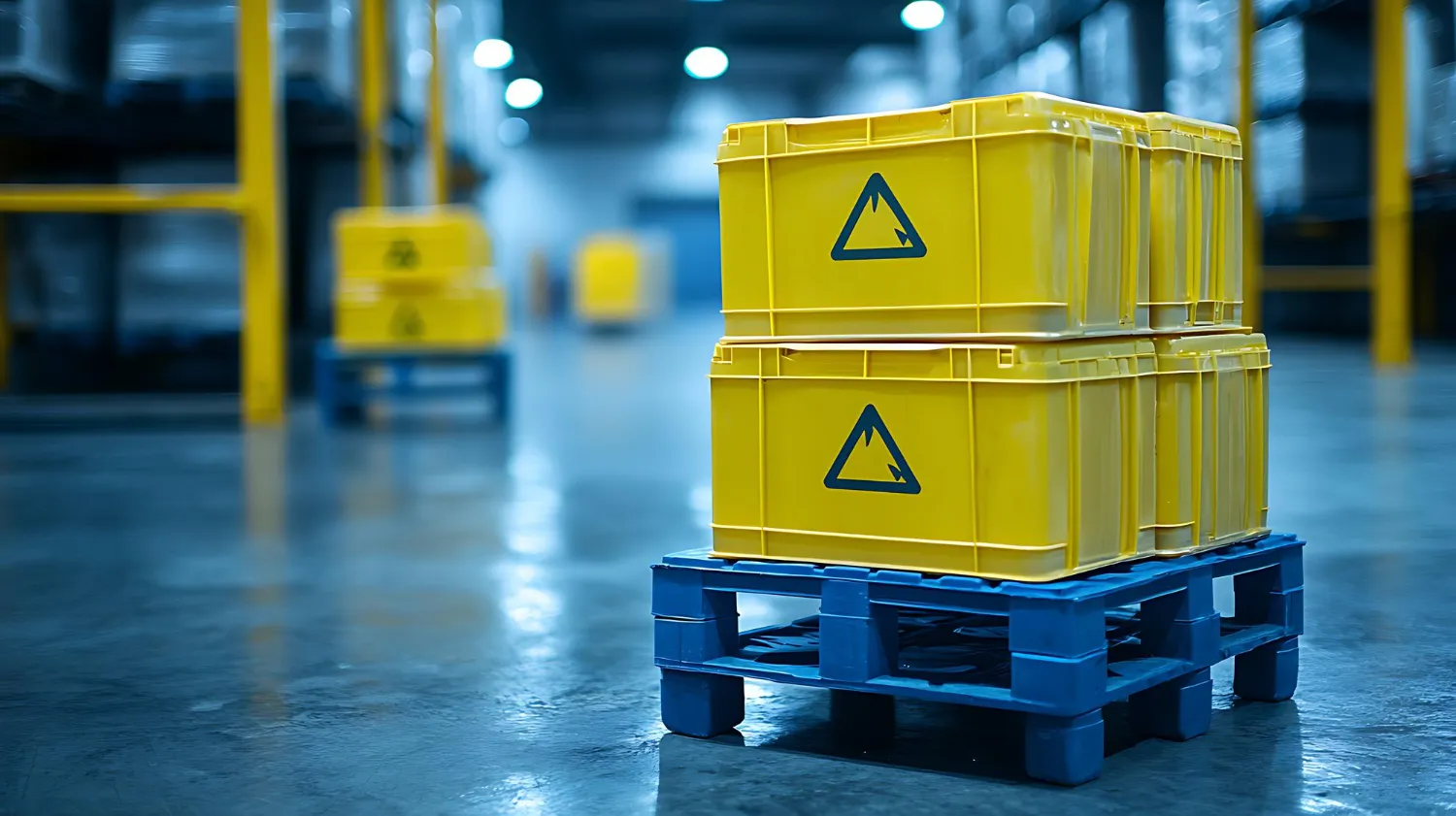
From aerosols and cleaning products to batteries and industrial chemicals, many everyday items can pose risks when transported incorrectly. These products are classified as dangerous goods and require careful handling, appropriate packaging, and compliance with relevant transport regulations.
Whether you manage a warehouse, operate a business or arrange freight for customers, understanding these requirements helps protect people, property and the environment. This guide explains how dangerous goods are classified, what the Australian regulations cover and why proper training and preparation matter before arranging a shipment.
What Are Dangerous Goods?
Dangerous goods are substances or articles that can present physical, chemical, or health-related hazards during transport. Depending on their properties, they may cause fires, explosions, corrosion, poisoning, or environmental harm if handled incorrectly.
Common examples include:
- Flammable liquids: Petrol, certain solvents, and some paints.
- Gases: Aerosols and compressed gas cylinders.
- Corrosive substances: Certain acids and industrial cleaning chemicals.
- Oxidising substances: Products that can intensify combustion.
- Lithium batteries: Batteries that may pose fire risks if damaged or improperly packed.
- Toxic substances: Chemicals that can cause harm through exposure.
Not every product containing a chemical is automatically classified as dangerous goods. Its properties, concentration, packaging, and applicable transport rules determine whether specific requirements apply. Always check the product information and relevant regulations before sending an item.
Classification of Dangerous Goods
Under the Australian Dangerous Goods Code, goods are organised into nine main classes, with some classes divided into further categories.
| Class | Type of hazard |
|---|---|
| 1 | Explosives |
| 2 | Gases |
| 3 | Flammable liquids |
| 4 | Flammable solids and substances that react dangerously |
| 5 | Oxidising substances and organic peroxides |
| 6 | Toxic and infectious substances |
| 7 | Radioactive materials |
| 8 | Corrosive substances |
| 9 | Miscellaneous dangerous goods |
Correct classification is essential because different hazards require different packaging, labels, storage arrangements and transport procedures. Some goods also present subsidiary risks, meaning they may need additional precautions.
If you are unsure how a product should be classified, consult its safety data sheet and seek advice from a suitably qualified professional or the relevant regulatory authority.
Why Dangerous Goods Awareness Matters
Effective dangerous goods awareness helps employees recognise potential hazards and understand when additional precautions are necessary. A product that appears ordinary may still pose risks if it leaks, is damaged, or reacts with another substance.
Awareness is especially important for staff involved in packing, labelling, loading, storing or arranging freight. Everyone handling a shipment should understand the procedures relevant to their role.
Good workplace practices include:
- Reading product labels and safety information before handling goods.
- Checking packaging for leaks, damage or deterioration.
- Identifying incompatible products before storage or loading.
- Following approved procedures for handling and reporting incidents.
- Knowing when to stop work and seek specialist advice.
Awareness also helps prevent dangerous goods from being incorrectly declared as ordinary freight. Accurate information allows transport providers to assess whether they can accept a shipment and what conditions must be met.
When is a Dangerous Goods Course Necessary?
A dangerous goods course can help relevant workers develop the knowledge and practical skills needed to handle regulated substances safely. The appropriate training depends on the person’s responsibilities, the goods involved, and the transport method.
When choosing training, consider whether it covers:
- Recognising and classifying relevant hazards.
- Understanding packaging and labelling requirements.
- Preparing the correct transport documentation.
- Following safe loading, storage and segregation procedures.
- Responding appropriately to spills, leaks, or other emergencies.
Training requirements are not identical for every role or type of dangerous goods. Confirm the applicable obligations with the relevant regulator and ensure that workers receive suitable instruction before undertaking regulated tasks.
Understanding Dangerous Goods Regulation and Freight
Compliance with dangerous goods regulations is a shared responsibility across the supply chain. Depending on the shipment, obligations may apply to consignors, packers, loaders, transport operators and receivers.
Before arranging dangerous goods freight, businesses should confirm that the shipment is accurately described, correctly classified and prepared in accordance with applicable requirements. They should also verify whether the selected carrier accepts the goods.
A practical pre-dispatch checklist includes:
- Confirm the substance’s classification and applicable transport rules.
- Check packaging suitability and required hazard markings.
- Prepare accurate declarations and supporting documents.
- Verify carrier acceptance and any quantity restrictions.
- Ensure relevant staff understand their responsibilities.
- Confirm that emergency information and procedures are available where required.
Effective dangerous goods logistics depends on clear communication, suitable equipment and careful coordination. Never assume that a carrier can transport a product simply because another provider has previously accepted it. Restrictions may vary between carriers, transport modes, and destinations.
Plan Your Freight with Blue Couriers
Understanding dangerous goods, their classifications and the regulations governing their transport is essential for making informed shipping decisions. Proper preparation, accurate declarations and suitable training help reduce risks and support safer freight operations.
Blue Couriers provides courier and freight solutions across Australia and internationally, with options including parcel delivery, pallet transport, air freight, ocean freight and express services. Our online quoting tools, shipment tracking, and multiple-carrier comparisons help customers explore suitable transport options for their needs. However, dangerous goods must be declared accurately, and acceptance should be confirmed with the relevant carrier before booking.
If you are planning your next shipment, explore our freight services, compare available options, and discuss your consignment requirements before arranging transport.