
A Guide to Safe & Efficient Pallet Shipping in Australia
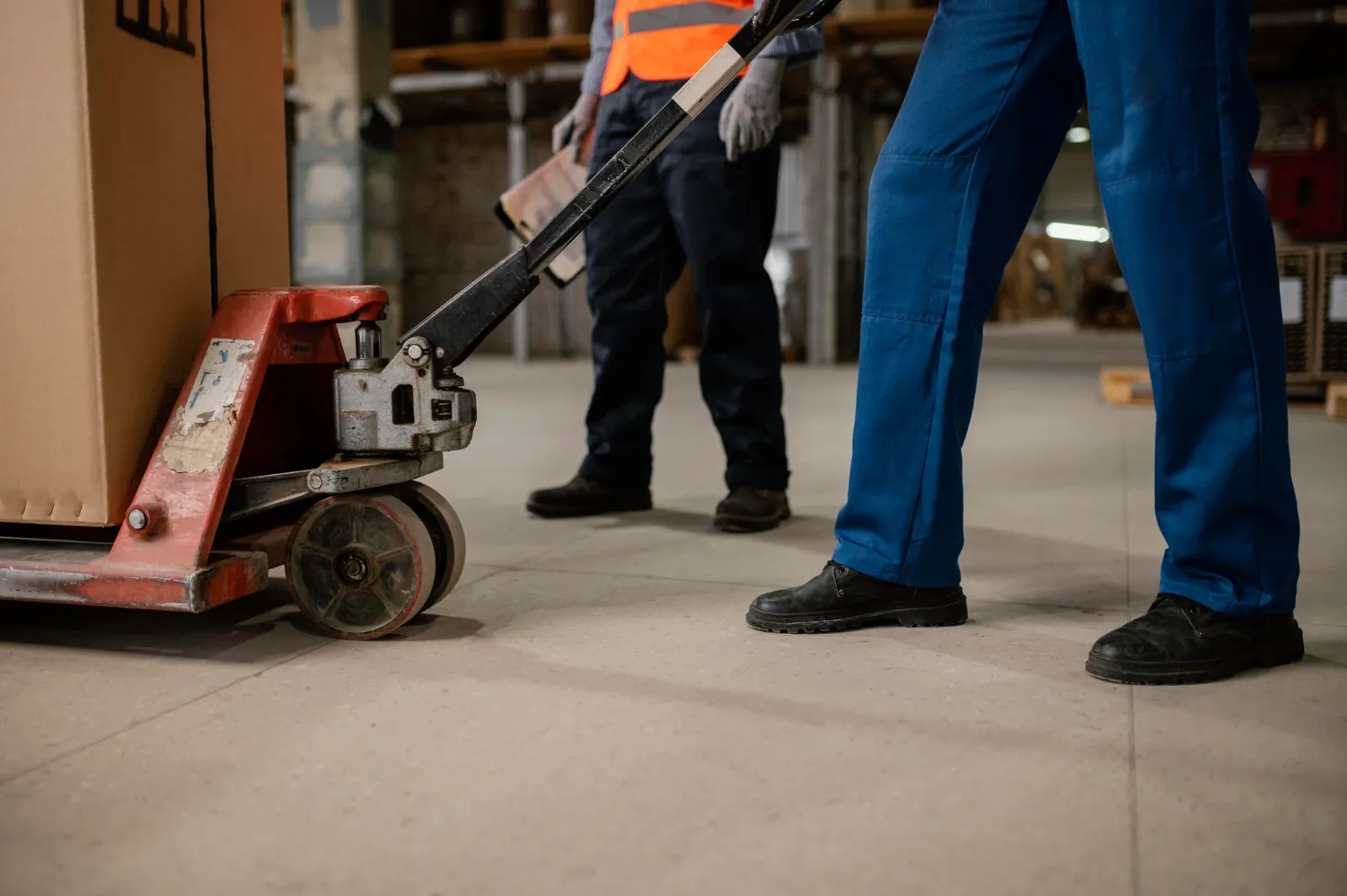
Shipping goods on pallets is a practical way to transport bulky products, heavy equipment, and multiple packages. However, a successful delivery begins long before the carrier arrives. Choosing the right pallet, securing your goods, and providing accurate shipment details can help prevent damage, avoid delays, and make freight planning easier. Whether you are sending stock to customers, transferring inventory between warehouses or arranging pallet transport interstate, careful preparation can make the process more efficient.
Why Choose Door-to-Door Pallet Delivery?
Door-to-door pallet delivery offers a convenient way to move consolidated goods from a collection address to a specified destination. Instead of arranging separate transport for individual cartons, you can group compatible items onto one pallet, making the consignment easier to organise and handle.
This service can benefit manufacturers, wholesalers, retailers, tradespeople, and e-commerce businesses that regularly transport substantial quantities of goods. It may also suit deliveries to warehouses, commercial premises and other suitable locations.
Key benefits of pallet delivery include:
- Simplified shipping: Consolidating compatible items can make larger consignments easier to manage.
- Organised handling: Securely stacked goods are easier to prepare for collection and transport.
- Flexible freight options: Businesses can compare services based on their delivery requirements.
- Convenient coordination: Door-to-door arrangements can reduce the need to organise separate transport for different stages of a shipment.
Before booking, check whether your collection and delivery locations can accommodate the selected vehicle and any required loading equipment. Good preparation is just as important as choosing the right carrier.
Five Steps to Prepare for Pallet Transport Services
Following a consistent preparation process helps protect your goods and provides carriers with the information they need to plan the shipment. Use these five steps before booking pallet transport services.
1. Choose the Right Pallet
Start by selecting a pallet that can safely support the combined weight and dimensions of your goods. Inspect it for cracked boards, damaged blocks, protruding nails or other defects that could affect stability during handling.
When choosing a pallet, consider the following:
- Size: Select a pallet that accommodates the entire load without excessive overhang.
- Weight capacity: Ensure it can support the combined weight of the goods and packaging.
- Condition: Avoid damaged pallets that could compromise the load.
- Material: Consider whether timber or plastic is more suitable for your products and shipping requirements.
Some goods may also need protection from moisture, contamination, or other environmental factors. Check the carrier’s pallet dimensions, weight limits, and packaging requirements before preparing your consignment. A suitable pallet provides a stable foundation for the journey.
2. Stack and Secure Your Goods
Correct stacking helps prevent goods from shifting, falling, or becoming damaged during transit. Distribute the weight evenly across the pallet, placing heavier items at the bottom and lighter packages above them. Keep the load balanced and avoid concentrating weight on one side.
To secure your goods effectively:
- Use suitable stretch wrap or strapping to hold packages firmly in place.
- Add corner protectors where appropriate to protect the packaging and improve stability.
- Keep items within the pallet’s edges wherever possible.
- Avoid loose cartons, unstable stacks and unsecured components.
- Use additional protective packaging for fragile or delicate products.
Once everything is packed, check that the load remains stable when moved. If your goods are unusually shaped, fragile, or require special handling, confirm the carrier’s requirements before dispatching. Secure packaging can reduce avoidable damage, but it should never replace any specific handling instructions your shipment requires.
3. Measure and Weigh
Accurate measurements help carriers identify suitable freight options and calculate shipping charges. Measure the completed pallet rather than relying on the pallet base dimensions alone.
Before booking, record:
- Length: Measure the full length of the packed load.
- Width: Include any packaging that extends beyond the base.
- Height: Measure from the floor to the highest point of the shipment.
- Total weight: Include the pallet, goods, and all packaging materials.
Depending on the carrier and service, pricing may reflect actual weight, the space the shipment occupies, or both. Incorrect measurements can result in revised quotes, additional fees, or delays.
Double-check the figures before entering them into a booking platform. If you are sending several pallets, record each pallet’s dimensions and weight separately when required. Providing reliable information from the beginning makes it easier to compare services and avoid unexpected changes.
4. Label Clearly
Clear labelling helps carriers identify your shipment and direct it towards the correct destination. Ensure that all required information is visible, accurate, and securely attached to the pallet.
Your labels should include the relevant details requested by the carrier, such as:
- Recipient’s business name, where applicable
- Complete delivery address and postcode
- Contact name and phone number
- Shipment or booking reference
- Handling instructions, such as Fragile or This Way Up, where appropriate
Remove or cover outdated labels that could create confusion during sorting. If your consignment contains multiple pallets, label each one according to the carrier’s instructions and ensure the references match your booking documents.
Remember that handling labels is only a guide. Fragile products still need appropriate cushioning, while heavier items must be stacked and secured correctly. Keeping labels visible and readable throughout transit supports more organised handling.
5. Book a Carrier or Freight Platform
Once your pallet is ready, compare suitable transport services using accurate shipment details. Consider the collection and delivery addresses, pallet dimensions, total weight and required delivery timeframe.
Before confirming your booking, check the following:
- Service suitability: Confirm that the carrier accepts your goods and pallet specifications.
- Delivery timeframe: Review the estimated transit time and available service levels.
- Access requirements: Disclose restricted access, loading conditions or the need for special equipment.
- Pricing: Check the quote and clarify any potential additional charges.
- Collection arrangements: Confirm the collection address, contact details, and the freight’s readiness.
Review the booking confirmation and keep it accessible until delivery is complete. Ensure the pallet is properly secured and available for collection at the agreed time. Supplying complete information at the outset can help reduce last-minute complications.
What Affects Pallet Shipping Cost?
Understanding pallet shipping costs can help businesses plan budgets and compare freight options more effectively. The final price depends on several factors, so it is important to look beyond the initial quote.
Common pricing factors include:
- Pallet dimensions and weight: Larger or heavier consignments may require more vehicle capacity.
- Transport distance: Longer routes can involve higher freight charges.
- Delivery location: Regional, rural or difficult-to-access destinations may affect pricing.
- Service speed: Express or priority transport may cost more than standard services.
- Handling requirements: Tail-lift access, specialised handling or other additional services may attract extra charges.
- Packaging and freight details: Incorrect measurements or unsuitable packaging may incur additional fees.
To compare quotes fairly, provide the same accurate details to each provider. Check what the quoted price includes and whether surcharges may apply. The cheapest option may not be the best value if it does not meet your delivery timeframe, handling requirements or destination needs.
Planning Pallet Transport Interstate Across Australia
Pallet transport interstate requires careful coordination, particularly when freight travels between major cities, regional centres and rural destinations. Planning ahead can help businesses prepare shipments correctly and communicate delivery expectations.
Before dispatch, make sure you:
- Confirm the collection and delivery addresses.
- Check the destination’s operating hours and access conditions.
- Allow enough time for packing, labelling, and collection arrangements.
- Verify the carrier’s restrictions and packaging requirements.
- Keep shipment details and booking references organised.
For businesses arranging pallet transport Australia-wide, consistent packing and record-keeping can make repeat shipments easier to manage. Maintain accurate records of pallet sizes, weights and packaging methods, updating them whenever the load changes.
It is also worth reviewing delivery requirements before selecting a service. A shipment going to a busy commercial warehouse may need different arrangements from one travelling to a regional business with limited access. Sharing these details when requesting a quote helps the carrier assess the job more accurately.
Choose Blue Couriers’ Pallet Transport Services for Your Business
Reliable freight planning starts with well-prepared goods and accurate information. By selecting an appropriate pallet, securing your load, checking measurements, labelling clearly and comparing carriers, you can make shipping more organised and reduce avoidable complications.
Blue Couriers offers pallet transport solutions for single or multiple loads, with coverage across metropolitan, regional and rural areas. Its online booking options allow customers to enter shipment details and explore available services, while tracking tools help them follow their consignments.
Whether you need door-to-door pallet delivery for a business shipment or are comparing options for interstate freight, we provide a convenient way to start organising your transport. Browse our website to enter your shipment details, explore suitable services, and request a quote for your next pallet delivery.