
Packaging Guidelines for Freight Shipments
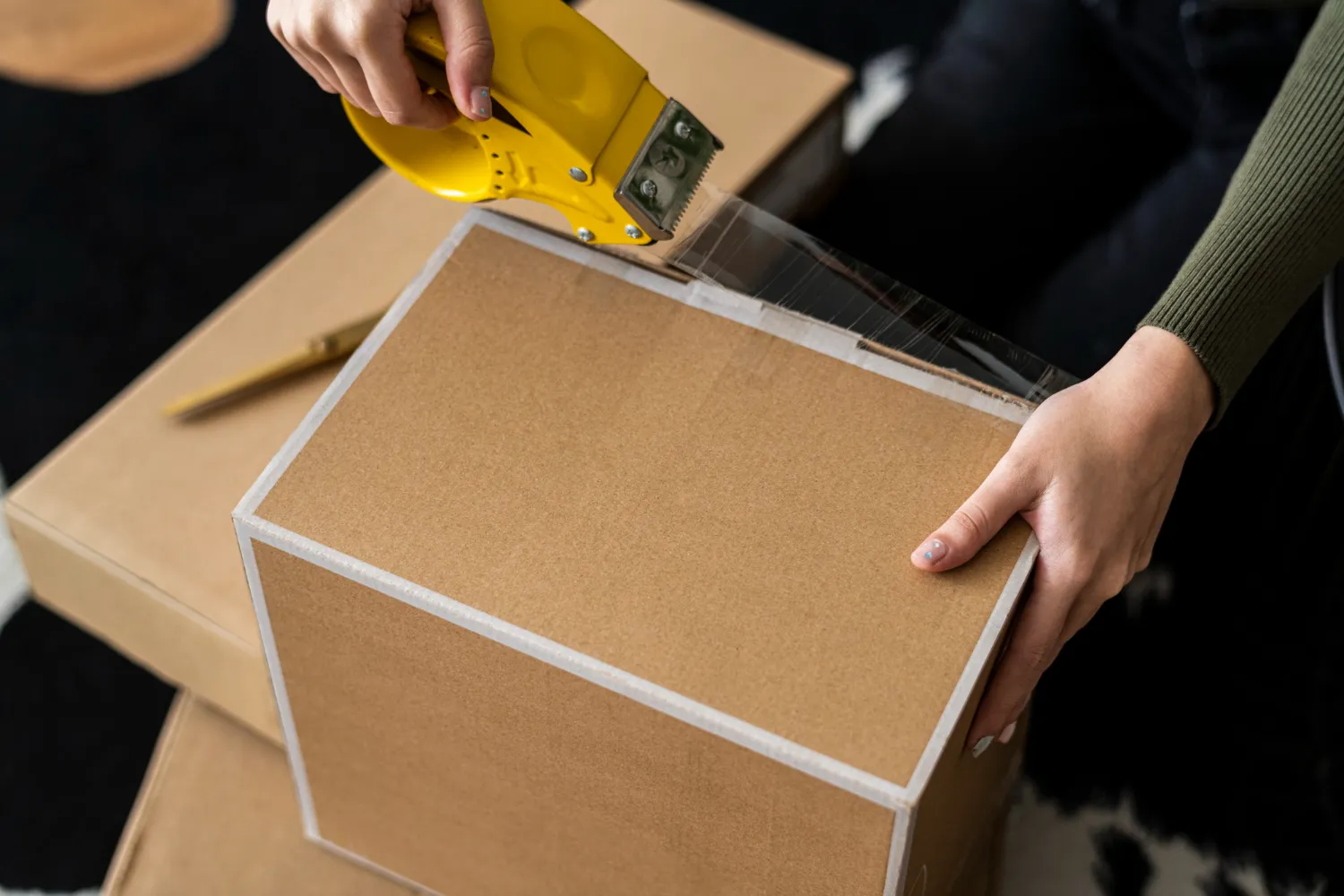
Whether you are sending products to customers, moving business equipment or shipping goods interstate, proper packaging plays a vital role in protecting your consignment. The right materials and packing techniques can minimise damage, simplify handling and help your shipment reach its destination in good condition.
From selecting sturdy cartons to securing heavy pallets, every detail matters. Understanding these packaging guidelines can help businesses and individuals prepare shipments confidently, whether they require next-day freight delivery, interstate or international freight services.
1.Choose Suitable Packaging for Interstate Freight Services Across Australia
Selecting the right packaging starts with understanding the size, weight, shape and fragility of your goods. Different consignments require different levels of protection, particularly when travelling long distances or passing through multiple handling points.
Follow these guidelines when choosing packaging:
- Use sturdy cartons: Select strong, corrugated cardboard boxes that can support the contents without bending or collapsing.
- Check box condition: Avoid cartons with torn seams, crushed corners, moisture damage or weakened panels.
- Choose the correct size: Use packaging that fits the contents comfortably without leaving excessive empty space.
- Consider specialised packaging: Heavy machinery, irregular items and delicate equipment may require protective crates, skids or reinforced containers.
For businesses arranging interstate freight services across Australia, packaging must withstand loading, unloading, vibration and movement during road transport. Choosing appropriate materials from the beginning helps protect goods throughout their journey.
2.Protect Fragile Goods with Proper Cushioning
Fragile items need additional protection to reduce the risk of breakage from impacts, pressure, or vibration. Electronics, glassware, ceramics and precision components should be packed carefully to prevent movement inside their containers.
Use these practical packing techniques:
- Wrap items individually: Use bubble wrap, foam or suitable protective materials to cushion each item.
- Fill empty spaces: Add packing paper or other appropriate cushioning to prevent goods from shifting.
- Double-box valuables: Place a well-cushioned inner box inside a larger carton for additional protection where appropriate.
- Separate multiple items: Use dividers or individual compartments to stop items from knocking against one another.
- Mark packages clearly: Add fragile-handling labels when necessary, without relying on labels as a substitute for protection.
For particularly delicate or high-value consignments, consider whether specialist packaging is required. Secure packaging helps protect your goods even when handling conditions are less predictable than expected.
3.Seal Cartons and Label Shipments Correctly
Even a well-packed carton can become vulnerable if its seams open or its shipping label becomes unreadable. Proper sealing and clear labelling help reduce handling problems and support accurate delivery.
Before dispatch, make sure you:
- Use strong tape: Seal all openings with quality packing tape designed for shipping.
- Apply H-taping: Secure the centre seam and both end seams to reinforce the carton.
- Check address details: Include the correct sender and recipient names, addresses and contact information.
- Remove old labels: Cover or remove outdated barcodes and delivery details.
- Attach labels securely: Place shipping labels on a flat, visible surface.
When requesting a freight shipping quote, provide accurate shipment dimensions, weight, collection details and destination information. This helps freight providers assess your requirements and identify suitable transport options.
4.Secure Pallets for Heavy Freight Shipments
Pallets are useful for transporting bulky goods, multiple cartons and heavy commercial consignments. However, unstable loads can shift during handling, potentially causing damage to the goods or creating safety risks.
Prepare palletised freight using these steps:
- Inspect the pallet: Choose a sturdy pallet without broken boards, loose nails or structural damage.
- Distribute weight evenly: Place heavier cartons at the bottom and maintain a balanced load.
- Avoid overhanging goods: Keep cartons within the pallet’s edges wherever practical.
- Secure the load: Use suitable stretch wrap, strapping and protective corner boards where needed.
- Check stability: Ensure the completed load remains secure and suitable for handling equipment.
Oversized or irregularly shaped goods may need a purpose-built crate or skid. Always consider the consignment’s weight, dimensions and handling requirements when selecting the most suitable packaging method.
5.Prepare Packaging for Air Freight Shipping
When arranging air freight shipping, packaging must balance protection, weight and dimensions. Since freight charges may depend on actual or volumetric weight, unnecessarily bulky packaging can increase transport costs.
Keep these considerations in mind:
- Use lightweight materials: Choose durable packaging that protects goods without adding unnecessary weight.
- Secure liquids properly: Use leak-resistant containers and, where permitted, suitable secondary containment.
- Check restricted goods: Batteries, dangerous goods and certain products may require specialised packaging and documentation.
- Confirm carrier requirements: Check packaging standards, size restrictions and acceptance conditions before dispatch.
- Prepare documents early: Ensure the necessary shipment information is complete before collection.
If you require next-day freight delivery, pack your goods in advance and confirm the carrier’s collection cut-off times.
For overseas shipments, an international freight forwarder that Australian businesses trust can coordinate shipping logistics, clarify customs documentation and explain destination-specific requirements. Before dispatch, check import restrictions and packaging regulations to help avoid unnecessary delays.
6.Complete a Final Packaging Check
Before handing over your shipment, a few simple checks can help reduce avoidable damage, delays and additional handling complications.
- Inspect the carton: Check for weak seams, damaged corners and insufficient cushioning.
- Test load stability: Ensure goods cannot shift freely within the package.
- Verify shipment details: Confirm the weight, dimensions, addresses and consignment information.
- Review handling requirements: Identify any special instructions or equipment needed for safe transport.
- Confirm carrier acceptance: Check that the goods, packaging and contents meet the carrier’s conditions.
- Photograph the shipment: Keep photographs of the packed goods and external packaging for your records.
These checks are particularly useful for businesses sending frequent consignments, as a consistent packing process can improve efficiency and make shipment preparation more reliable.
Ship with Confidence with Blue Couriers
Effective packaging helps protect goods, supports safer handling and contributes to a smoother freight experience. By choosing appropriate materials, securing fragile items, stabilising pallet loads and checking shipping details, you can prepare your consignments for the journey ahead.
Blue Couriers provides freight and courier solutions for businesses and individuals, including interstate courier services, express delivery, pallet transport and international freight options. Our range of services supports different shipping requirements, while tracking facilities and tailored transport solutions help customers manage their consignments more conveniently.
Looking to plan your next delivery? Explore available freight services and request a freight shipping quote suited to your shipment’s size, destination and delivery requirements.