General Packaging Guidelines
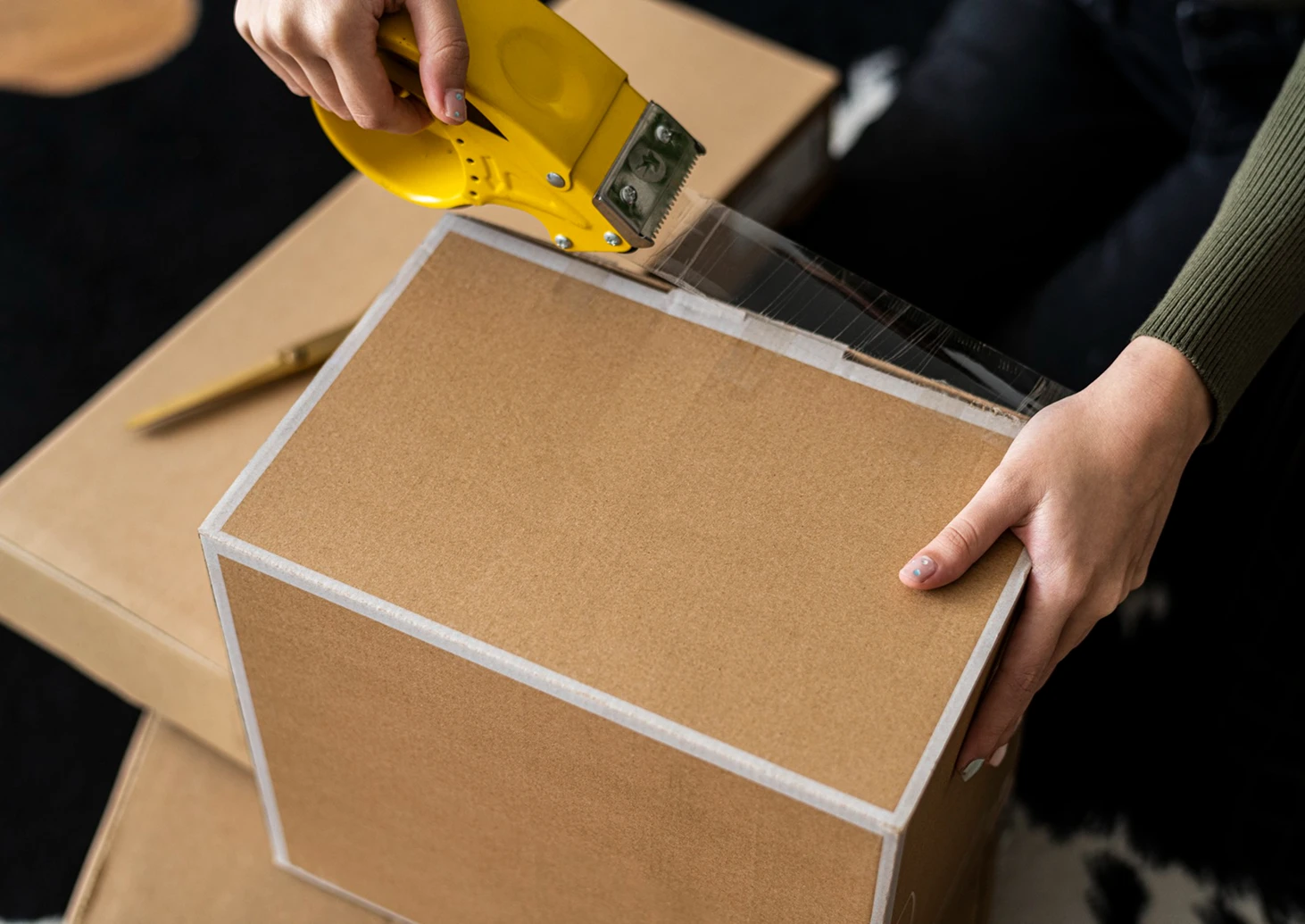
General Packaging Guidelines
Cartons
Where possible, goods should be packed in the original manufacturer’s carton or a new, high-quality alternative. If reusing a carton, ensure it is in excellent condition and free of structural damage.
All internal flaps must be intact, as they provide essential strength and support. If these are missing or compromised, the carton should not be used.
Although original packaging is recommended, cartons displaying premium branding should be avoided where possible. Plain brown cartons are preferred for safer transit.
Any old labels from previous shipments must be completely removed, as multiple labels can lead to confusion and increase the risk of misdirection.
Proper Labelling
As cartons often travel long distances and pass through multiple handling points, labels must be securely attached.
- Always place labels on the top surface of the carton
- Ensure labels are firmly fixed and clearly visible
- Never position labels underneath the carton
Internal Packaging
Avoid leaving empty space inside the carton, as movement during transit can cause damage.
- Use appropriate cushioning materials to keep items secure
- Wrap fragile items individually using bubble wrap or similar protective materials
- Seal cartons with strong, shipping-grade tape
- Apply the H-taping method, ensuring all seams and edges are fully secured
Pallets
Using a sturdy, well-maintained pallet helps reduce the risk of damage during handling and transport. Avoid small or weak pallets for heavy loads, as they may become unstable.
Stacking on Pallets
- Place heavier cartons at the base and lighter ones on top
- Avoid stacking cartons too high, as this increases the risk of collapse or tipping
- Ensure cartons do not overhang the pallet edges, as this may lead to damage during forklift handling
Securing Pallets
- Use high-quality shrink wrap to stabilise the load
- Apply wrapping generously to keep items firmly in place
- If using straps, secure them in both directions (lengthways and widthways) for maximum stability
Heavy Unboxed Items, Lengths and Tubes
Heavy Unboxed Items
Large or unpackaged items, such as engines or industrial machinery, must be securely fastened to a pallet to prevent movement during transit.
- Items should ideally be enclosed within a durable wooden crate for added protection
- Certain goods, such as spas, must always be crated
- Roller doors should be protected with corrugated metal sheeting or crating
Lengths and Tubes
Long or bulky items that cannot be boxed should be handled with extra care.
- Secure items to a pallet or skid using steel strapping for safe forklift handling
- Protect painted or delicate surfaces with heavy-duty wrapping materials
- Fragile materials, such as plaster, should have protective sheets covering all exposed edges
Ensuring correct packaging and handling practices will significantly reduce the risk of damage and help your goods arrive safely at their destination.